

General CSA FAQs
Since 98% of Americans don’t grow their own food, it has to come from outside sources - usually the grocery store and/or nationwide delivery services. This drastically impacts how far food must travel from where it is grown to where it is consumed. Not only do these increased transportation times impact our environment by adding to pollution, but also our own health, as produce picked much earlier than at peak freshness contains less vitamins and minerals, and/or has preservatives and chemicals added to maintain freshness. The closer your food is grown to you, the fresher and healthier it is, the less it has to travel, and the better it is for the environment. For more information on eating locally (Be A Locavore!), we really like Plenty (The 100 Mile Diet) by Alisa Smith and J.B. MacKinnon
Do you enjoy cooking at home on a regular basis? Trying new fresh local fruits and vegetables regularly? Have you never met a vegetable you didn’t like? If so, then we think you’ll love our CSA Program. Do you only like to experiment in the kitchen occasionally? Are you or your family members very picky and very resistant to try new things? If so, then shopping at our farmers market and country store are better options for you. That way you can still find what you need on a regular basis, but you can also try new things slowly and at your own pace.
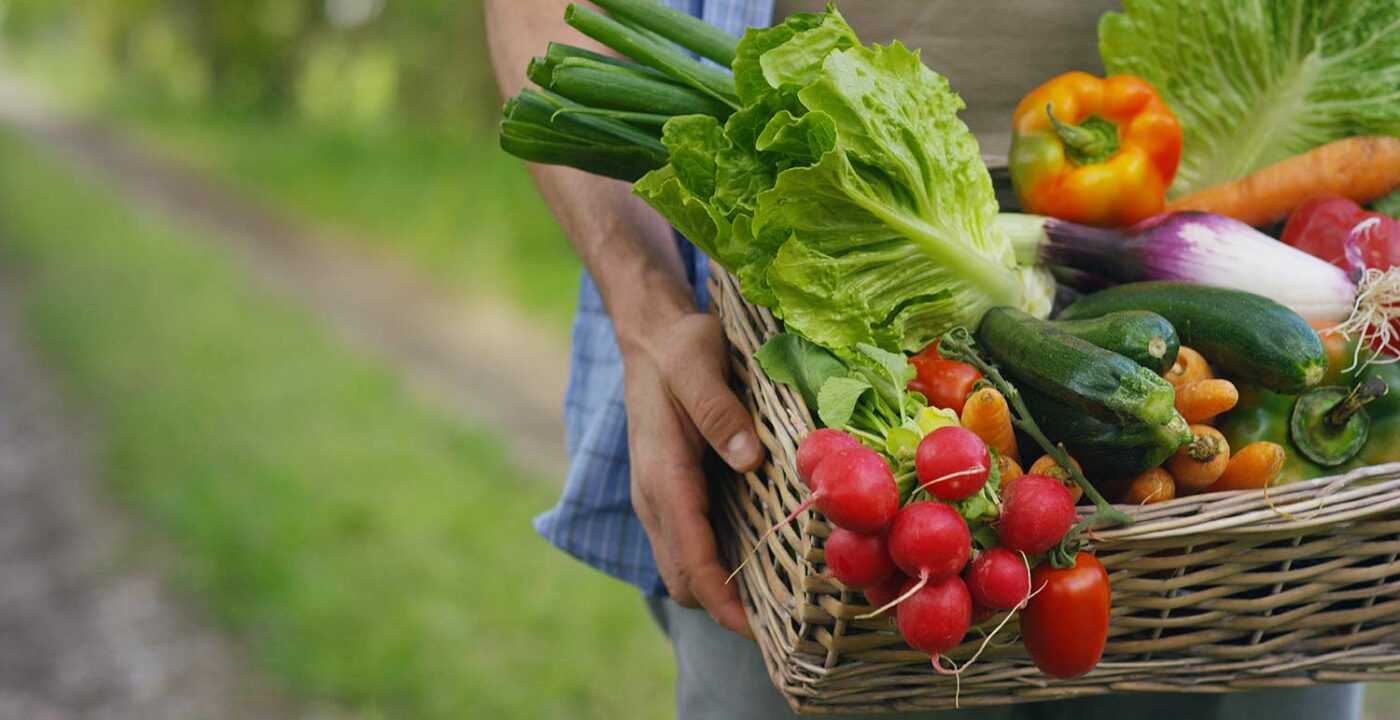
A good example of a Full CSA Summer Share is: 1 pint blueberries, 3lbs of peaches, 1 quart of tomatoes, 1lbs of green beans, 6 ears of corn, 1 bunch of beets, 2lbs of summer squash, and 3 cucumbers, 1 eggplant, fresh herbs such as basil, rosemary, and sage .
A good example of a Medium CSA Summer Share is: 3 of lbs peaches, 1 quart of tomatoes, 6 ears of corn, 1 bunch of beets, and 3 cucumbers, 2lb summer squash, fresh herbs such as basil, rosemary, and sage .
Always keep in mind that the produce offered in a share will change throughout the season.
Many small and mid-sized farms focus on growing, not retail. Running a farm stand, CSA, or market requires extra time, staffing, infrastructure, insurance, and customer management—things not every farm wants or is able to take on.
By partnering with farms like ours that sell directly to customers, those growers can:
-
Focus on what they do best: farming
-
Have access to reliable, consistent outlets for their products
-
Reduce the risk and cost of running their own retail operation
-
Reach customers they might not otherwise connect with
At the same time, we’re able to offer our customers more variety and continuity. It’s a win for farmers, a win for customers, and a win for the local food system.
Not certified organic—but we grow using an Integrated Pest Management (IPM) approach.
IPM means we focus first on prevention and natural controls: healthy soil, crop rotation, and careful monitoring of pest pressure. We only intervene when absolutely necessary, and always choose the least-impact option available. This allows us to grow high-quality produce responsibly while adapting to real-world farming conditions.
Integrated Pest Management is a science-based farming strategy that prioritizes prevention over treatment. At Breezy Willow Farm, that includes:
- Building healthy soil to support resilient plants
- Rotating crops to reduce pest cycles
- Encouraging beneficial insects and pollinators
- Regular field scouting to catch issues early
- Using targeted, minimal treatments only when needed
Our goal is to protect our crops, the environment, and the people who eat our food—without unnecessary inputs.
Sustainability is built into how we farm every day. Our goal is to care for the land, grow healthy food, and be good neighbors to our local ecosystem.
Some of the ways we do that include:
- Integrated Pest Management (IPM): prevention first, constant monitoring, and minimal, targeted intervention only when necessary
- Soil health practices: crop rotation, cover crops, and organic matter to build healthy, living soil
- Pollinator support: protecting beneficial insects and encouraging biodiversity in and around our fields
- Efficient water use: mindful irrigation practices to reduce waste and protect local water resources
- Local partnerships: working with nearby farms and producers to strengthen our local food system and reduce food miles
We’re always learning and adapting, and we believe sustainable farming is an ongoing process—not a checkbox.